
Nutrition Strategies for Healthy Aging
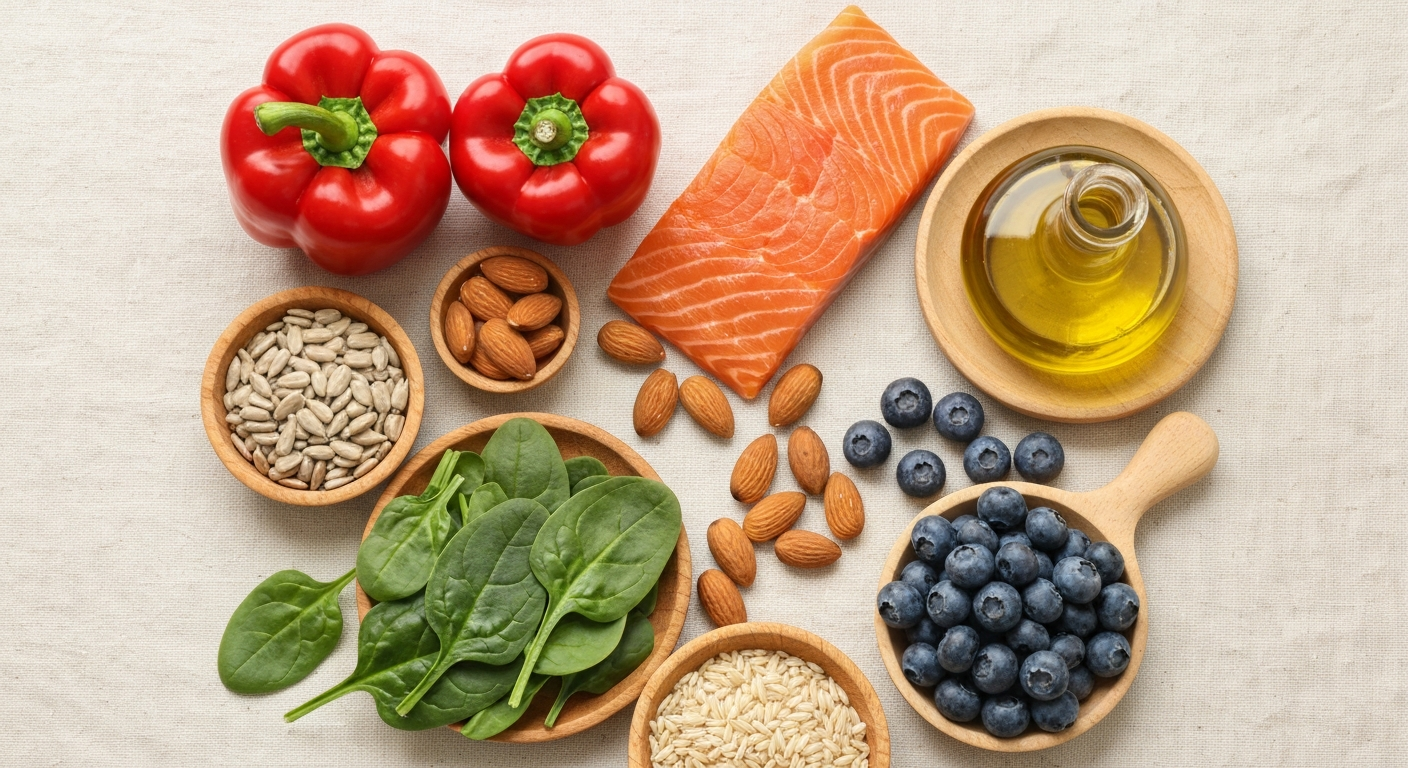
Aging well is not about perfection - it is about consistent, strategic choices that protect your bones, heart, metabolism, and overall vitality. For women navigating perimenopause and beyond, hormonal shifts make nutrition even more impactful. Declining estrogen influences bone density, fat distribution, inflammation, and cardiovascular risk. The right dietary pattern can help mitigate these changes and promote a vibrant second half of life.
Core Principles of Midlife Nutrition
Focus on nutrient density, protein adequacy, and an anti-inflammatory pattern rather than extreme restriction or single "superfoods." The Mediterranean-style eating pattern consistently shows strong evidence for supporting bone, heart, and metabolic health in midlife women.
Key components include:
- •Abundant vegetables, fruits, whole grains, legumes, nuts, and seeds.
- •Healthy fats, especially extra-virgin olive oil and omega-3 sources (fatty fish, walnuts, flax).
- •Moderate fish, poultry, fermented dairy (yogurt, cheese), and eggs.
- •Limited red/processed meats, added sugars, and ultra-processed foods.
Supporting Bone Health Through Diet
Postmenopausal bone loss accelerates due to lower estrogen. Nutrition plays a foundational role alongside weight-bearing exercise and (when indicated) medications.
- •Calcium: Aim for 1,000-1,200 mg daily from food sources (dairy, fortified plant milks, leafy greens, almonds, sardines with bones) and supplements if needed. Food sources are generally better absorbed.
- •Vitamin D: Critical for calcium absorption and muscle function. Many midlife women are deficient; test levels and aim for sufficiency (often 800-2,000 IU daily or as directed).
- •Protein: Adequate intake (often 1.2-1.6 g per kg body weight, distributed across meals) supports muscle and bone matrix. Include high-quality sources at each meal.
- •Other nutrients: Vitamin K (leafy greens), magnesium, and omega-3s also contribute to skeletal health.
Cardiovascular and Metabolic Wellness
Midlife is when cardiovascular risk rises sharply for women. A heart-protective diet emphasizes:
- •Omega-3 fatty acids (from fatty fish 2+ times/week or algae sources) to reduce inflammation and support heart rhythm.
- •Fiber-rich foods (aim for 25-30+ grams daily) from plants to help manage cholesterol and blood sugar.
- •Potassium-rich produce (bananas, spinach, potatoes, beans) and limited sodium for blood pressure control.
- •Antioxidants and polyphenols from colorful fruits, vegetables, olive oil, nuts, and tea/coffee (in moderation).
The Mediterranean pattern has been linked to lower rates of heart disease, better lipid profiles, and healthier aging in multiple studies.
Additional Practical Strategies for Vitality
- •Meal timing and balance: Include protein, fiber, and healthy fat at meals to stabilize energy and blood sugar.
- •Hydration: Thirst sensation can diminish with age; aim for consistent fluid intake.
- •Portion awareness without obsession: Focus on satisfaction and nutrient density rather than constant calorie counting.
- •Individualization: Factors like thyroid function, medications, gut health, and food preferences matter. A comprehensive evaluation helps tailor recommendations.
Hormone therapy, when appropriate, can complement lifestyle efforts by improving symptoms that otherwise interfere with healthy eating and activity (e.g., better sleep and energy).
Personalized Guidance at Advanced Health & Wellness
At Advanced Health & Wellness, nutrition is never one-size-fits-all. Elizabeth Tovar, PhD, APRN, FNP-C, PMHNP-BC, MSCP integrates dietary assessment with hormone, metabolic, and bone health evaluation to create realistic, sustainable plans. Whether your goals are preserving bone density, optimizing heart health, managing weight, or simply feeling more vital, care is tailored to your unique needs and preferences.
Small, consistent changes compound over time. The midlife years offer a powerful window to invest in the health you want for decades to come.
Ready to build a nutrition strategy that supports your long-term wellness?
Schedule your Initial Comprehensive Evaluation or explore membership for ongoing expert support and community.
Ready to Discuss Your Unique Situation?
Book your Initial Comprehensive Evaluation or explore membership options to begin personalized, science-based support for every phase of the menopause journey.
More Articles

Understanding the Phases of Menopause
A comprehensive guide to navigating perimenopause, menopause, and postmenopause with confidence and clarity.

The Role of Hormone Therapy in Cognitive Health
Exploring the latest evidence on how menopausal hormone therapy can support brain wellness and cognitive function.

Metabolic Changes in Midlife: What You Need to Know
Why weight management changes during midlife and evidence-based strategies to support your metabolic health.